
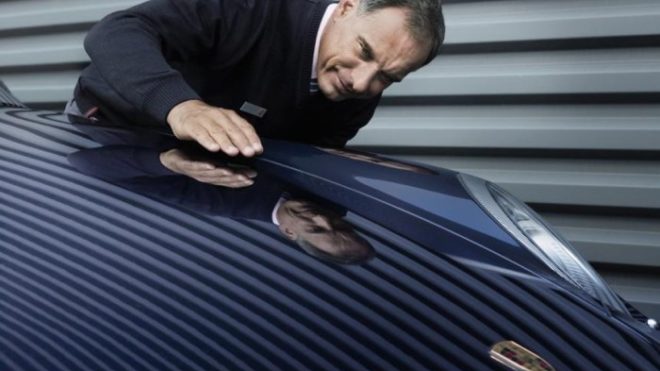
When buying a used vehicle, the paint condition is one of the most important indicators of the car’s real history. Even if a car looks clean and shiny, hidden repairs may still exist under the paint layer. That is why professional inspectors and experienced buyers rely on a paint thickness gauge.
VVV-Group has become a trusted name in paint thickness gauges because our devices are built for real inspections — fast, repeatable, and easy to use. A proper paint thickness inspection can help you identify:
-
repainted body panels
-
accident repairs and refinishing
-
inconsistent coating thickness between panels
-
suspicious thickness values that may indicate filler or additional paint layers
Why paint thickness measurement matters
A coating thickness gauge measures the thickness of non-metallic coatings (paint, clear coat, primer) on metal substrates. In automotive inspection, the goal is not to find a “perfect number”, but to compare panels and detect unusual differences.
Typical inspection workflow
For reliable results, we recommend:
-
Start with the roof (often factory reference)
-
Measure each panel in multiple points
-
Compare left vs right side
-
Pay attention to edges, pillars, and repair zones
With VVV-Group tools, customers can inspect vehicles more confidently and reduce the risk of buying a car with hidden bodywork history.